


Year-Round Care for Crab Apple Trees in the UK

Table of contents

Crab apple trees (Malus species) are one of the best ornamental trees for UK gardens, offering spring blossom, colourful fruit in autumn, and valuable wildlife interest year-round.
Crab apple trees are easy to care for in the UK when planted in free-draining soil, watered during dry spells, pruned annually in winter, and monitored for common apple diseases. With the right seasonal care, they can thrive for decades.
This guide has been written by the team at Bowhayes Trees, a specialist Devon tree nursery with over 30 years of experience growing and supplying trees across the UK. Drawing on practical nursery knowledge, we’ll explain how to care for crab apple trees through every season, from planting and watering to pruning and disease prevention.
Looking for the perfect crab apple tree for blossom, fruit, or pollinator value? Explore our crab apple collection today. →
What Do Crab Apple Trees Need to Grow Well in the UK?
Crab apple trees grow best in the UK when planted in fertile, well-drained soil and positioned in full sun for strong flowering and fruiting.
Most crab apples are hardy across Britain and cope well with UK winters, but they perform best when:
Soil drains freely and does not stay waterlogged
Trees receive at least 6 hours of sunlight daily
Young trees are watered consistently during establishment
Airflow is good for reducing fungal disease risk
In our experience at Bowhayes Trees, the most common cause of poor performance in crab apples is poor drainage rather than cold temperatures. Good soil structure and consistent early watering make a noticeable difference to long-term flowering and fruiting.
At Bowhayes Trees, varieties such as Malus ‘Evereste’ for spring blossom and pollination support, and Malus ‘Red Sentinel’ for persistent winter fruit, are popular choices for British gardens looking for reliable seasonal interest.
With the right planting conditions and steady care during establishment, crab apple trees can thrive for decades in UK landscapes.
For additional tips on growing and selecting crab apples for gardens, the Gardeners’ World guide on growing crab apples is a helpful resource.
How Do You Care for Crab Apple Trees Throughout the Year?
Crab apple tree care involves seasonal watering, annual pruning, spring feeding, and monitoring for pests and diseases. Adjusting care through the year supports healthy growth, blossoming, and fruit production.
Seasonal Crab Apple Tree Care at a Glance
Spring: How Should You Care for Crab Apple Trees in Spring?
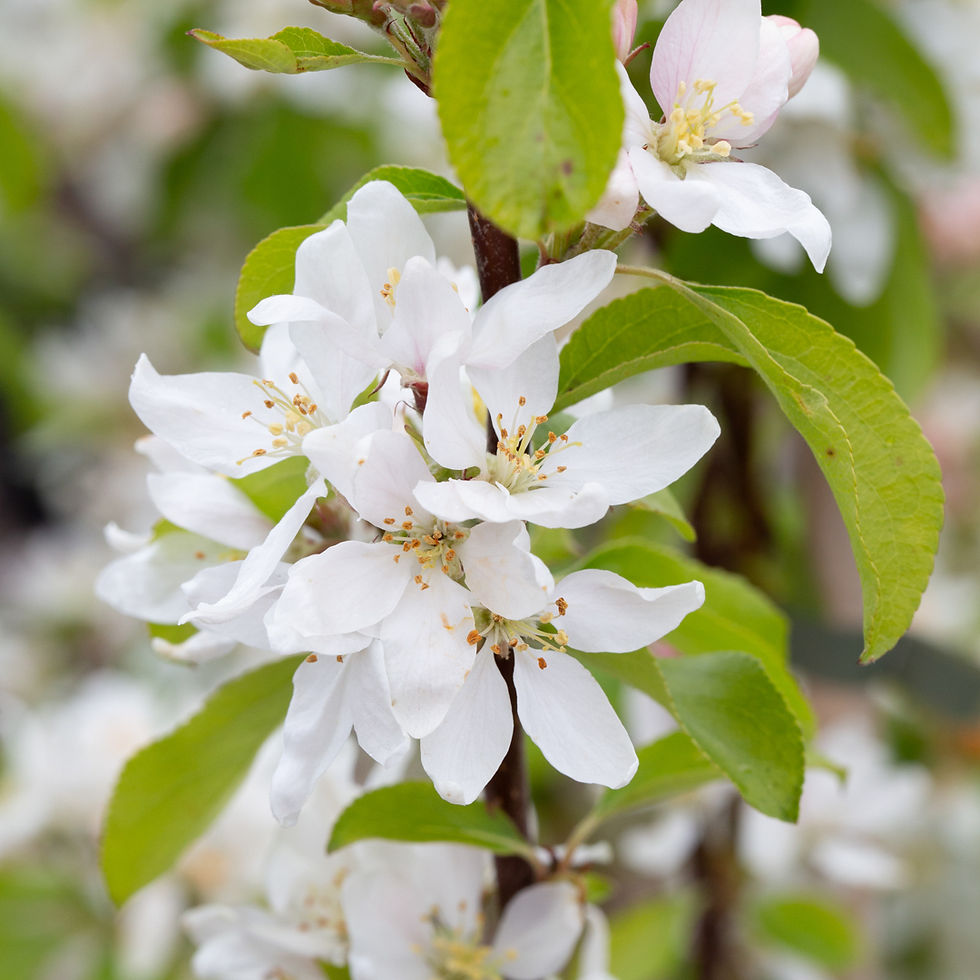
Spring is the peak season for blossoms.
Apply a balanced fertiliser or compost mulch
Water young trees during dry spells
Check new growth for aphids
Spring is also a good time to observe flowering, especially if the tree is being used as a pollinator partner for apples.
Summer: How Do You Look After Crab Apple Trees in Summer?
Summer care focuses on preventing stress and disease.
Water deeply during prolonged dry weather
Watch for signs of apple scab or powdery mildew
Remove any damaged or heavily infected leaves
When working with UK garden conditions, we find that good airflow and mulching make a huge difference in reducing summer disease pressure.
Autumn: What Should You Do for Crab Apple Trees in Autumn?
Autumn brings colourful fruit and seasonal interest.
Clear fallen leaves if disease has been present
Enjoy fruit for wildlife or decorative displays
Mulch before winter to protect roots
Crab apples are especially valuable for birds in late autumn when food sources become scarce.
Winter: How Do You Care for Crab Apple Trees in Winter?
Winter is the best time for pruning.
Prune while dormant (November–February)
Remove dead, damaged, or crossing branches
Shape the tree to maintain an open canopy
Avoid pruning during severe frost or wet weather.
How Should Crab Apple Trees Be Watered and Mulched?
Crab apple trees should be watered deeply during dry spells and mulched annually to retain moisture, improve flowering, and protect their roots. Consistent watering is especially important during the first few years after planting.

Deep watering during dry weather helps young crab apples establish strong roots in UK garden conditions.
Watering Tips
Water weekly in dry weather during the first 2–3 years
Focus watering around the root zone
Mature trees only need watering during extended droughts
Mulching for Healthy Growth
Apply bark chips or compost in a wide ring
Keep mulch away from the trunk
Top up each spring or autumn
Mulching helps conserve moisture, regulate soil temperature, and suppress competing weeds. For more details on choosing and applying mulch, see the Royal Horticultural Society’s guide to mulches.
In our experience at Bowhayes Trees, varieties such as Malus ‘Butterball’ and Malus ‘Golden Hornet’ benefit noticeably from consistent mulching, particularly in lighter soils where moisture can drain quickly during dry UK summers.
Top tip: Mulching reduces stress and helps improve flowering performance over time.
When and How Should Crab Apple Trees Be Pruned?
Crab apple trees should be pruned once a year during winter dormancy to maintain shape, improve airflow, and encourage reliable blossom and fruiting. Most established crab apples benefit from light annual pruning rather than heavy cutting.
Unlike maples, crab apples do not suffer from sap bleeding, but correct timing still helps reduce disease risk.
Best Time to Prune Crab Apple Trees in the UK
Winter is the safest and most effective time to prune crab apples.
Prune between late November and February while the tree is dormant
Choose a dry day to reduce fungal infection risk
Avoid pruning during severe frost
In UK conditions, good airflow is essential for reducing issues such as apple scab and mildew, which can affect flowering and fruiting.
How to Prune Crab Apple Trees Safely
Pruning should focus on structure and health:
Remove dead, damaged, or diseased wood
Cut out crossing or rubbing branches
Open up the centre of the canopy to improve light and airflow
Maintain the tree’s natural shape rather than cutting back heavily
In our experience at Bowhayes Trees, varieties such as Malus ‘John Downie’ respond particularly well to gentle structural pruning, which helps maintain strong flowering and consistent fruit production.
Top Tip: Crab apple trees flower and fruit best when pruned lightly each winter to improve airflow, rather than being heavily cut back.
What Pests and Diseases Affect Crab Apple Trees in the UK?
Crab apple trees are generally hardy, but they can be affected by common apple-related pests and fungal diseases.

Common Crab Apple Tree Problems
Issue | Symptoms | Management |
Curled leaves, sticky residue | Encourage ladybirds or rinse off | |
Dark blotches on leaves and fruit | Clear fallen leaves, improve airflow | |
White coating on shoots | Prune affected growth | |
Sunken patches on branches | Remove infected wood |
Aphids
Aphids are one of the most common pests on crab apple trees in spring and early summer. They feed on sap in soft new growth, which can cause curled leaves and a sticky residue known as honeydew. In most cases, natural predators such as ladybirds and hoverfly larvae help control aphid numbers over time.
Apple Scab
Apple scab is a common fungal disease that causes dark blotches on leaves and sometimes fruit. It is more likely in damp conditions or where airflow is poor. Clearing fallen leaves in autumn and pruning to open up the canopy can help reduce reinfection year to year.
Powdery Mildew
Powdery mildew appears as a white, dusty coating on young shoots and leaves, particularly in warm, dry spells following a wet spring. It rarely kills the tree, but it can weaken growth and reduce flowering. Removing affected shoots and maintaining good airflow are the best controls.
Canker
Canker causes sunken, damaged patches on branches or stems and is more common when trees are stressed by poor drainage, drought, or pruning wounds. Cutting out infected wood during winter and keeping the tree healthy through mulching and watering helps prevent the spread.
Top Tip: Most crab apple pests and diseases become worse when trees are under stress, so consistent watering, annual mulching, and light winter pruning are the best long-term defence.
Most problems are linked to stress, so watering, mulching, and pruning correctly are the best long-term prevention.
For more detailed answers to common apple and crab apple health concerns, see the Royal Horticultural Society’s Tree Problems FAQs.
Year-Round Crab Apple Tree Care Guide (UK): At a Glance
Care Task | Key Guidance |
Watering | Water weekly in dry spells during the first 2–3 years. Mature trees only need extra watering in prolonged drought. |
Sunlight | Plant in full sun for the best spring blossom and strong autumn fruiting. |
Mulching | Apply an organic mulch ring each spring or autumn to retain moisture and protect roots. |
Pruning | Prune once a year in winter while dormant to maintain shape and improve airflow. |
Wildlife Value | Blossom supports pollinators, and fruit provides food for birds through autumn and winter. |
Feeding | Light feeding in spring can help flowering if the soil is poor, but crab apples are usually low-maintenance. |
How Do You Look After Crab Apple Trees Long Term?
Crab apple trees are low-maintenance in UK gardens once established, but long-term health depends on consistent watering during drought, annual mulching, and light winter pruning.
To keep your crab apple thriving year after year:
Water deeply during prolonged dry spells, especially in summer
Mulch annually to protect roots and retain soil moisture
Prune lightly each winter to maintain shape and improve airflow
Clear fallen leaves in autumn if scab or mildew has been present
In our experience at Bowhayes Trees, the biggest difference in long-term performance comes from good airflow and preventing stress during dry weather, rather than heavy feeding or frequent intervention.
If you’re unsure about pruning, planting position, or choosing the right crab apple variety for your outdoor space, our team is always happy to offer personalised advice — simply get in touch.




FAQs
How long do crab apple trees live in the UK?
Crab apple trees can live for 40–60 years in UK gardens when planted in well-drained soil and cared for properly. Good airflow, light annual pruning, and avoiding prolonged drought significantly improve long-term health and flowering performance.
Why is my crab apple tree not flowering?
Crab apple trees may fail to flower if they are planted in too much shade, pruned heavily at the wrong time, or stressed by drought. For the best blossom display, plant in full sun and prune lightly during winter dormancy.
Do crab apple trees lose their leaves in winter?
Yes, crab apple trees are deciduous, meaning they lose their leaves in autumn. Many varieties retain colourful fruit into winter, which provides valuable food for birds.
How do you prevent apple scab on crab apple trees?
Apple scab can be reduced by improving airflow through light winter pruning, clearing fallen leaves in autumn, and avoiding overhead watering. Healthy, well-spaced trees are less prone to fungal infections in damp UK conditions.
Are crab apple trees suitable for small UK gardens?
Yes, many crab apple varieties are well-suited to small gardens, offering compact growth, manageable height, and strong seasonal interest. Choosing the right variety and pruning lightly each year helps maintain size and structure.
To display the Widget on your site, open Blogs Products Upsell Settings Panel, then open the Dashboard & add Products to your Blog Posts. Within the Editor you will only see a preview of the Widget, the associated Products for this Post will display on your Live Site.
Start your 14 days Free Trial to activate products for more than one post.
icon above or open Settings panel.
Please click on the


Comments